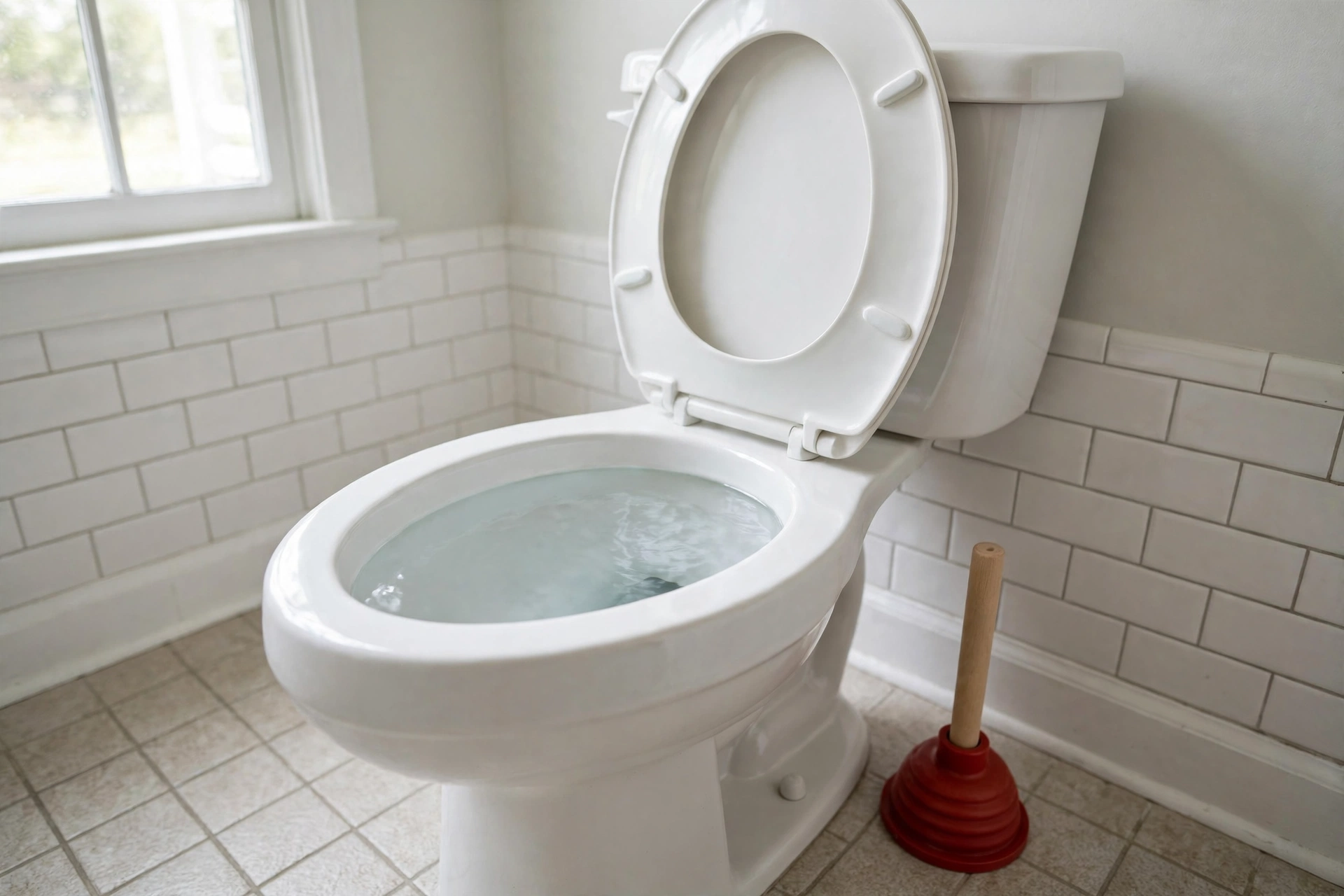
You plunge, the water drops, and you flush once to test it. The bowl empties like nothing happened. Two days later you are standing over the same toilet, watching the water climb again. The plunger is not failing you. The real problem sits where it cannot reach.
A toilet that clogs once after too much paper is normal. A toilet that clogs again and again is telling you something: the pipe past it is partly blocked, the air that lets water drain is not moving right, or the flush is too weak. Plunging clears the symptom for a day. Finding which of the three is behind it clears it for good.
Why Plunging Only Buys Time
A plunger works on pressure. Each push sends a pulse of water through the trap, the curved section at the base of the toilet that blocks sewer gas. That pulse can break up a soft wad of paper in the trap. That is the whole reach of a plunger: the trap, and a few inches past it.
It cannot clear a blockage ten feet down the line, a vent stack on the roof, or a weak flush. When the clog sits past the trap, plunging moves just enough water to make the bowl drain, and the blockage stays put. The next flush catches on the same spot. If you have plunged the same toilet three times in two weeks, note when it clogs. That pattern points at the cause, as our guide to main line vs branch line clogs explains.
A Blocked Vent Can Make a Healthy Toilet Act Clogged
Every drain needs air. Water moving down a pipe pulls air behind it, and that air comes in through the vent stack, the pipe that runs up through the roof. When the vent is blocked, the drain fights for air, and the toilet shows it first: slow flushes, a bowl that drains in a lazy swirl, gurgling nearby, and sometimes a faint sewer smell.
Vents block more often than homeowners expect, especially in the fall. Leaves pile around the stack opening, birds nest in it over the summer, and ice can seal it on a cold morning. In Brookside, Fairfield, and Nottingham Green, where mature maples and oaks overhang the roof, one windy weekend can choke a stack with leaves. Homes near the University of Delaware, along College Avenue and the older streets off Main Street, see the same thing. The toilet is not clogged. It is starved for air.
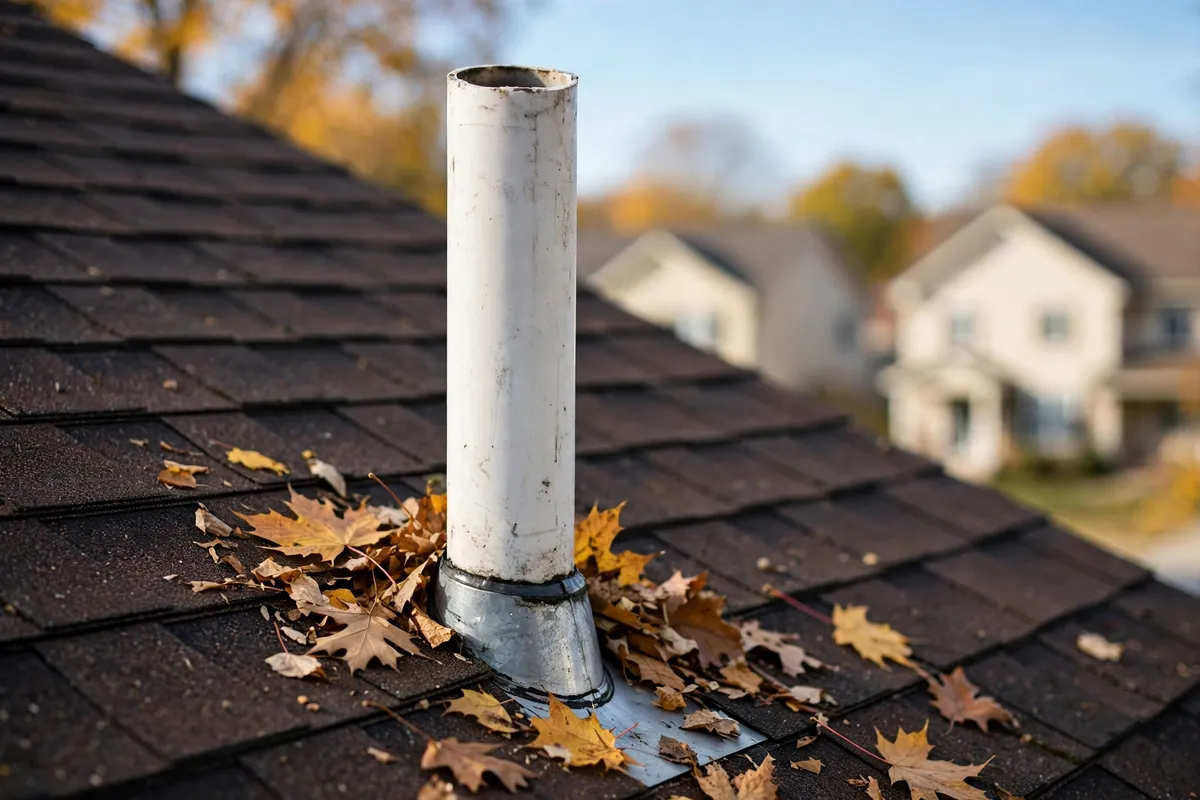
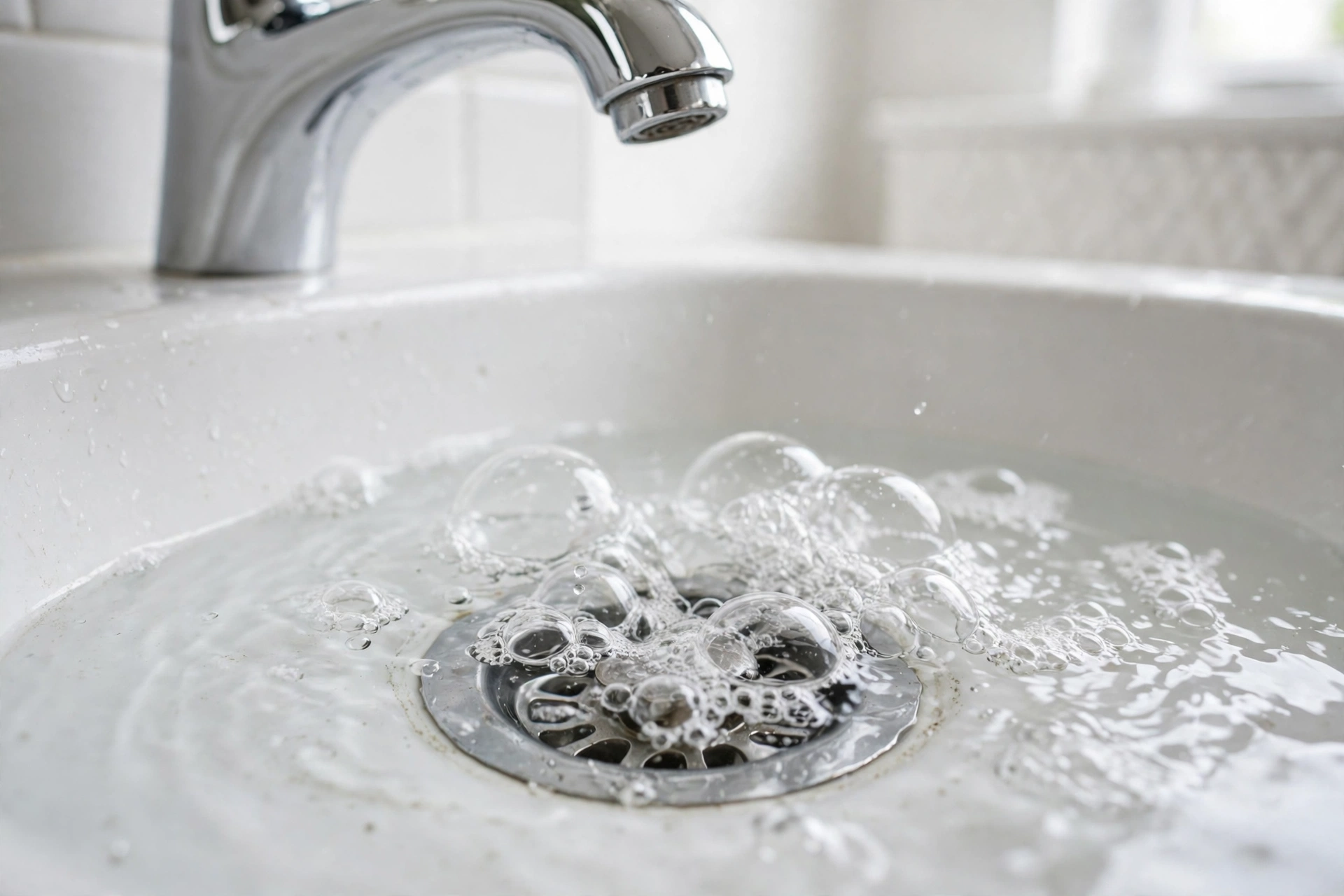
Spot a vent problem by the company it keeps. If the toilet gurgles when the washer drains, or the sink bubbles when you flush, air is moving through traps because it cannot move through the vent. Our post on why a sink gurgles when the toilet flushes walks through the air side, and the gurgling drains page covers what that sound means. Do not climb onto the roof to check the stack yourself. A vent check with the right ladder and tools is quick work, and a fall is a far bigger problem than the fix.
A Partial Main Blockage Lets One Flush Through and Catches the Next
A partial blockage in the main line is a common reason a toilet keeps clogging after plunging. The main line is the shared pipe every drain feeds into. When it is fully blocked, everything backs up at once. When it is only partly blocked, water still gets through, just slowly. One flush makes it. The next one catches.
Think of it as a narrowing, not a wall. Tree roots grow through a joint in a clay lateral and form a mat that snags paper. Scale builds up inside old cast iron until the opening narrows well below its old size. A low spot, called a belly, lets waste settle in the same place every time. Plunging pushes water past the narrowing and buys a day. The narrowing is still there.
Newark has plenty of all three causes. The capes, ranches, and split-levels built from the 1950s to the 1970s in Brookside, Oaklands, and Fairfield often still have cast iron branches and clay laterals, and mature trees send roots hunting for sewer moisture. Newer Pike Creek and Todd Estates homes mostly run PVC, but a belly or a bad joint can narrow any pipe. The main sewer line clog removal page explains the main line job, and the multiple clogged drains page covers several fixtures failing together.
A Weak Flush Turns Normal Paper Into a Clog
Sometimes the pipe is fine and the flush is the problem. A toilet needs a fast, full rush of water to carry waste through the trap. When that rush weakens, normal amounts of paper stall, and each stall makes the next flush harder. The toilet looks clogged. The drain is just underpowered.
Early low-flow toilets are the usual suspects. Some never flushed with much force. But any toilet can lose power: the tank level drops below the fill line, the flapper warps and leaks, the chain gets too much slack to lift the flapper fully, or mineral buildup clogs the rim jets under the bowl edge. Any one of those turns a strong flush into a weak swirl.
Check the easy parts first. Lift the tank lid and look at the water level against the fill line. Watch a flush with the lid off: the flapper should lift fully and stay up until the tank empties. If the bowl water sits low after every flush, the toilet starts each flush short. In rental houses near campus, these small faults pile up fast. What goes down matters too: wipes labeled flushable do not break apart like paper. Older cast iron lines narrow with age and forgive less of it, as our post on cast iron pipe problems in older homes explains.
When Snaking Is the Fix, and When It Is Not
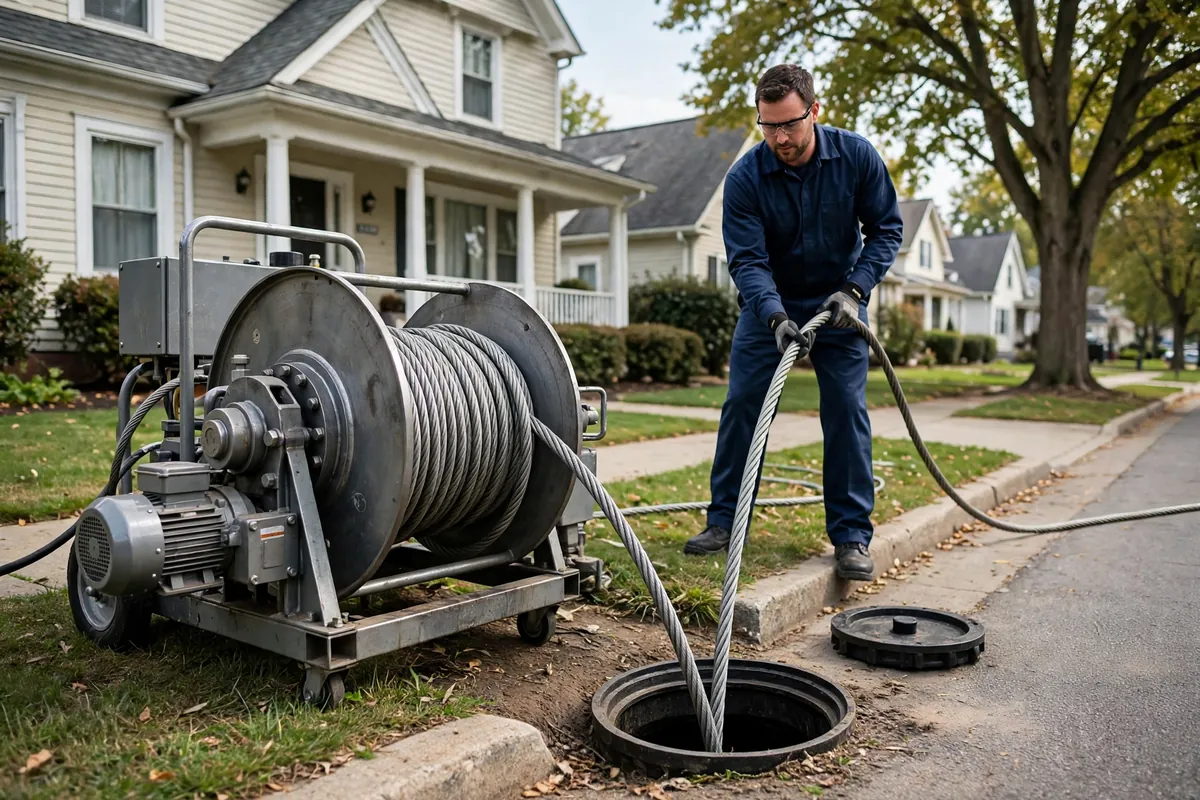
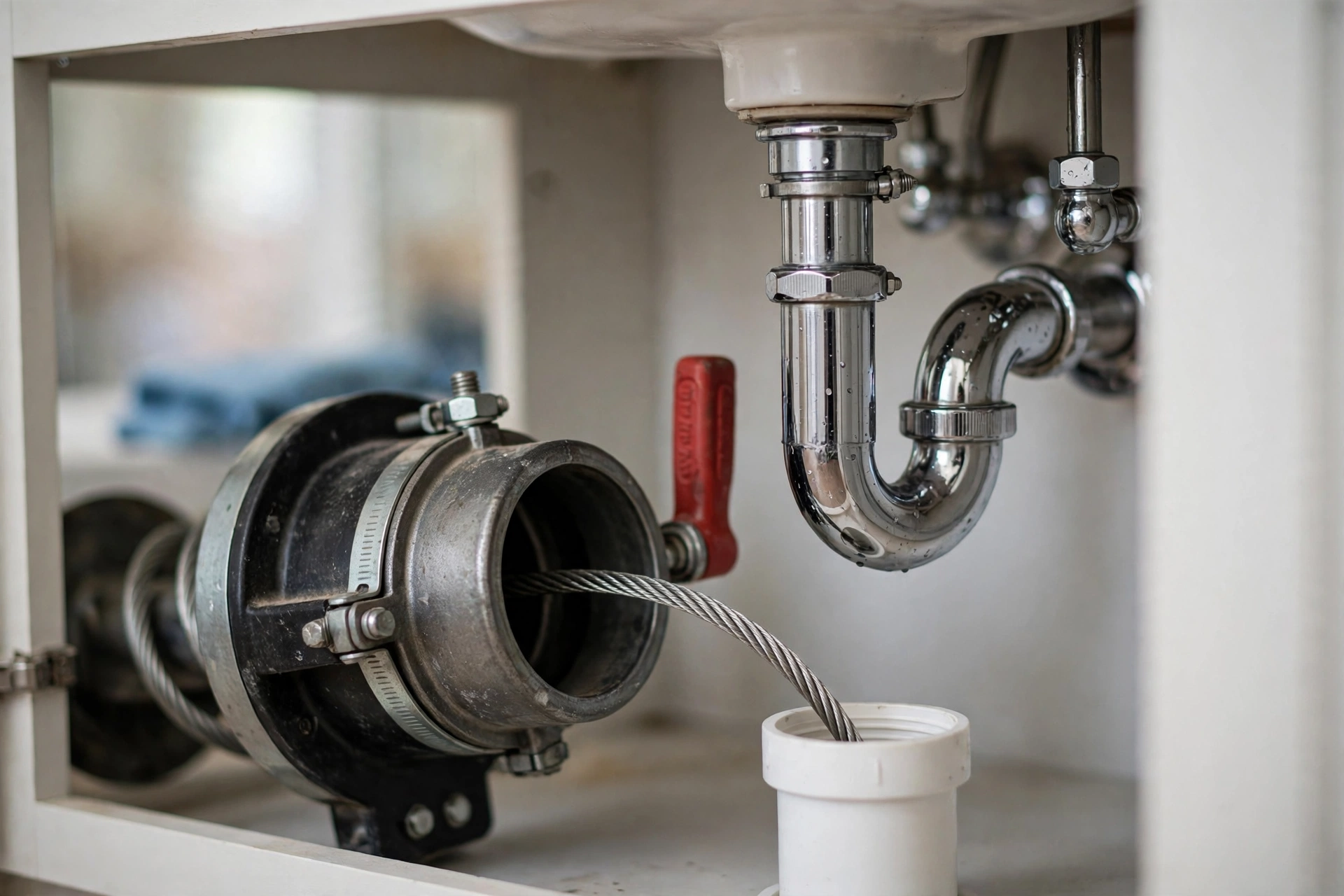
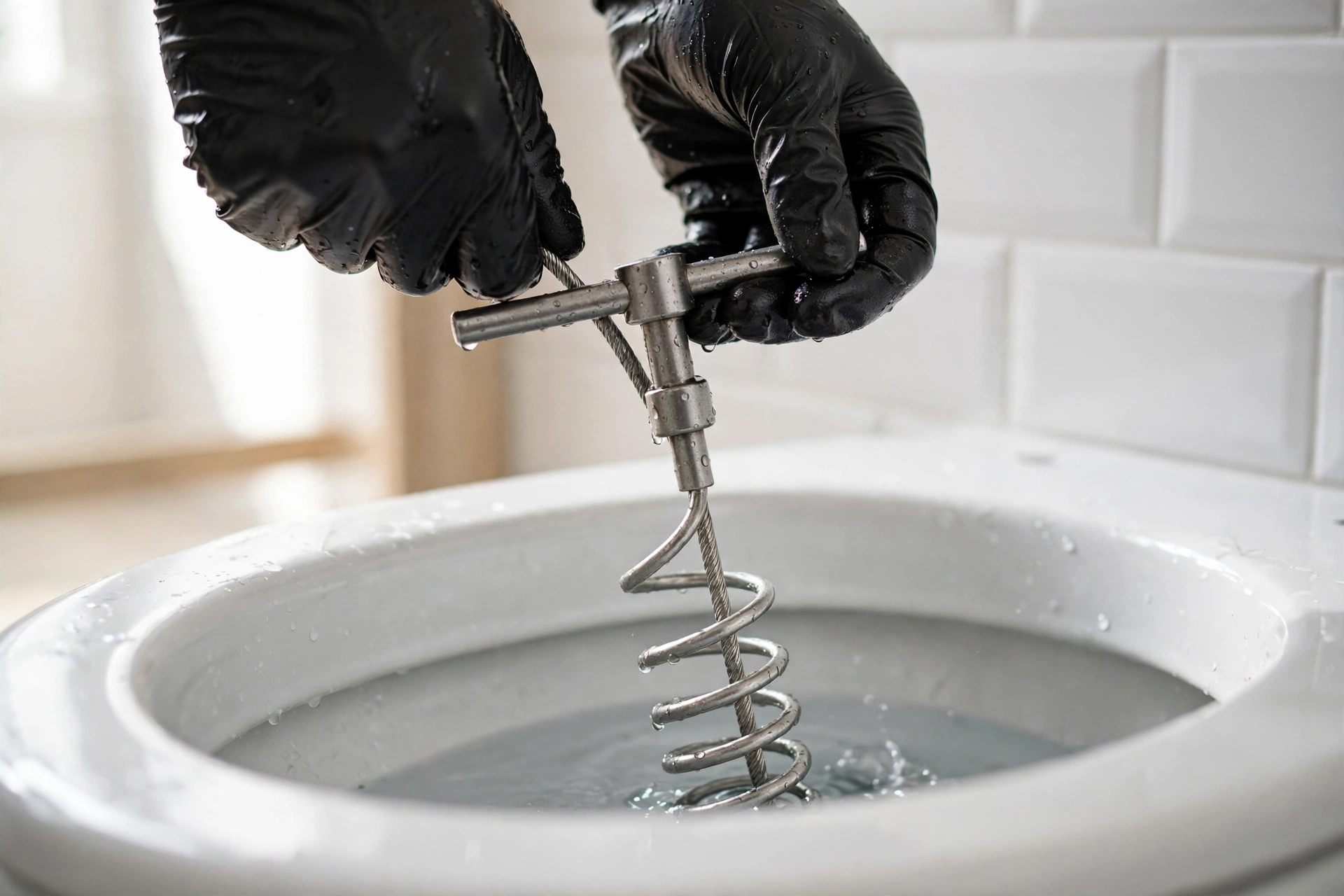
Snaking is the fix when the blockage sits in the pipe and a plunger cannot reach it. A closet auger, the short snake made for toilets, clears the trap and the first stretch of the branch without scratching porcelain. A longer cable through the main cleanout clears the main line to the street. Which one fits depends on where the clog sits.
Snaking is not the fix for a blocked vent or a weak flush. Running a cable down a toilet with a blocked vent clears nothing, because the pipe was never blocked. A sewer camera inspection earns its keep when the same toilet clogs again after snaking: the camera shows roots, scale, a belly, or nothing at all, so the next step matches the cause. Our comparison of hydro jetting vs drain snaking lays out when a cable is enough and when pipe walls need scouring. Call sooner when more than one fixture is affected, water rises in the lowest drain, or sewage appears anywhere.
The Five Minute Check Before You Plunge Again
Run this check before the next round of plunging. It tells you whether the problem lives in the toilet or past it.
- Flush the other toilet, if you have one, and run the bathroom sink. If they are slow too, the problem is shared.
- Listen while the washing machine drains. Gurgling from the toilet or tub points to the main line or a vent.
- Lift the tank lid and check the water level and flapper. Low water or a flapper that drops too fast means a weak flush.
- Watch the bowl after one test flush. A slow swirl suggests air or flush trouble. A fast rise suggests a blockage close by.
- Check the lowest drain, usually a basement floor drain or laundry tub. Water there after flushing upstairs means the main line is restricted.
Write down what you find. Those details point at the cause: vent, main line, or flush.
What Not to Do With a Toilet That Keeps Clogging
Do not keep flushing a toilet that is already full. Every flush adds water to a bowl that cannot drain, and the next one is the one that spills. Do not pour chemical drain cleaner into a toilet: it can damage the porcelain and the wax seal, and it rarely reaches a blockage past the trap. Do not force a standard drain snake through the bowl, and do not rent a main line machine for a first try. A stuck cable is a bigger job than the clog was.
A toilet that clogs once is an annoyance. A toilet that clogs every few days is a message, and the message is usually past the trap: a vent choked with leaves, a main line narrowed by roots or scale, or a flush that lost its force. Read the pattern, check the rest of the house, and fix the cause instead of plunging the symptom. That holds from Brookside to Pike Creek and Christiana.