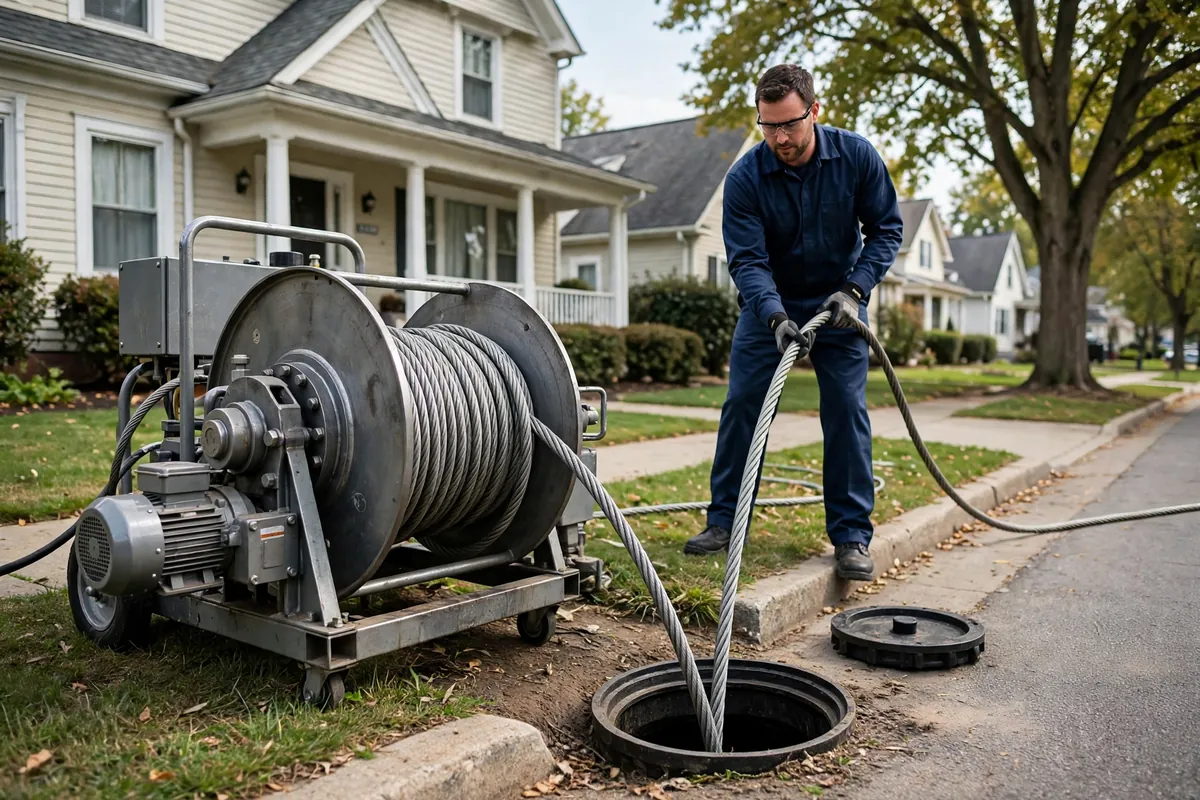
When every fixture in the house slows down together
Multiple Clogged Drains in Newark: It Is the Main Line Talking
One clogged drain is a fixture problem. Two or more drains clogging in the same week, in different rooms, is a different animal: every drain shares one exit pipe, and when that main sewer line narrows, fixtures fail in a pattern, lowest first. Clearing sinks one by one cannot fix it, because the sinks were never the problem.
Live dispatcherUpfront optionsBacked workmanship
Quick answer
The Short Answer on House Wide Clogs
When several drains clog together, the restriction sits where their paths merge: the main sewer line between your house and the street. Roots, grease, scale, or a damaged section have narrowed the one pipe everything uses. The fix is at the cleanout, not the sink: camera the line, clear it with main line equipment, and repair the section if the pipe is failing.
Why it happens
What Clogs Every Drain at Once
Fixture clogs have fixture causes. House wide clogs have these four.
Roots Filling the Sewer Lateral
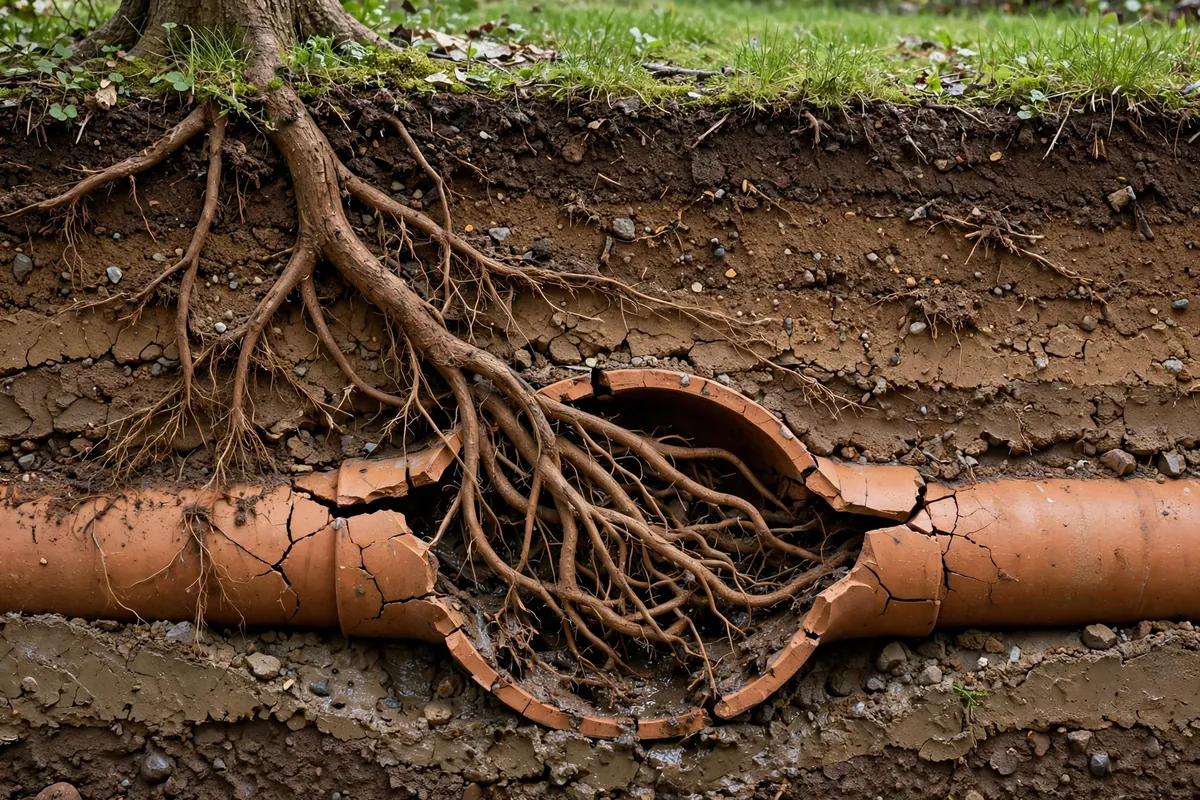
The classic Newark cause. Street trees send roots through lateral joints, and the root mass becomes a filter catching paper and grease until the house drains through a keyhole.
A Collapsed or Bellied Section of Line
A section that has cracked, shifted, or sagged holds water and solids permanently. Flow degrades over months, then the standing pool catches one load too many and every drain in the house stalls within days of each other.
Grease and Scale Choking an Old Main
Decades of kitchen grease plus mineral scale can narrow an old main from inside, the way a slow sink narrows, at house scale. The last stretch to close is usually near the street.
A Blockage at the Street Connection
Sometimes the lateral is fine until its final joint at the municipal main, where roots or a shifted connection restrict the exit. The symptom is identical, and only a camera can say which side of the property line owns it.
Before you call
Checks You Can Do Safely When Every Drain Is Slow
These checks confirm the main line pattern in ten minutes and give our dispatcher exactly what she needs.
- Run water in an upstairs sink and watch the lowest tub or floor drain: movement or rise there confirms a shared line problem.
- Test one fixture at a time and note the order they fail in, because the lowest and farthest fixtures always report a main blockage first.
- Check whether the problem spans more than one bathroom, since clogs in two bathrooms rule out any single branch line.
- Look at the yard cleanout from outside: standing water or a wet ring at the cap means the line is full to that point.
- Ask a neighbor on the same sewer run whether their drains are slow, which separates a house lateral problem from a street problem.
- Reduce water use until we arrive, and stop completely if any fixture starts to back up rather than just drain slowly.
Resist the urge to snake each drain in turn or dose them all with chemical opener. Neither reaches the main, the chemicals combine in the same standing water, and bottles buy nothing toward the camera run that settles it.
Do not wait on these
When House Wide Clogs Turn Urgent
Slow everywhere becomes sewage somewhere, quickly. Call the same day if water rises while another fixture drains, if a flush lifts a tub's level, or if the floor drain shows water. A main cleared while still slow is a smaller job than one cleared from under sewage.
How we handle it
How We Diagnose and Fix a Main Line Clog
Pattern first, camera second, clearing third, and a straight answer about the pipe's future at the end.
Pattern Check at the Lowest Fixtures
We verify which fixtures are affected, confirming the restriction is in the shared main before tools come off the truck.
Camera From the Cleanout
The camera travels the full lateral and shows the cause and its address: roots at a joint, a belly, scale near the street, or a break.
Main Line Snaking or Jetting
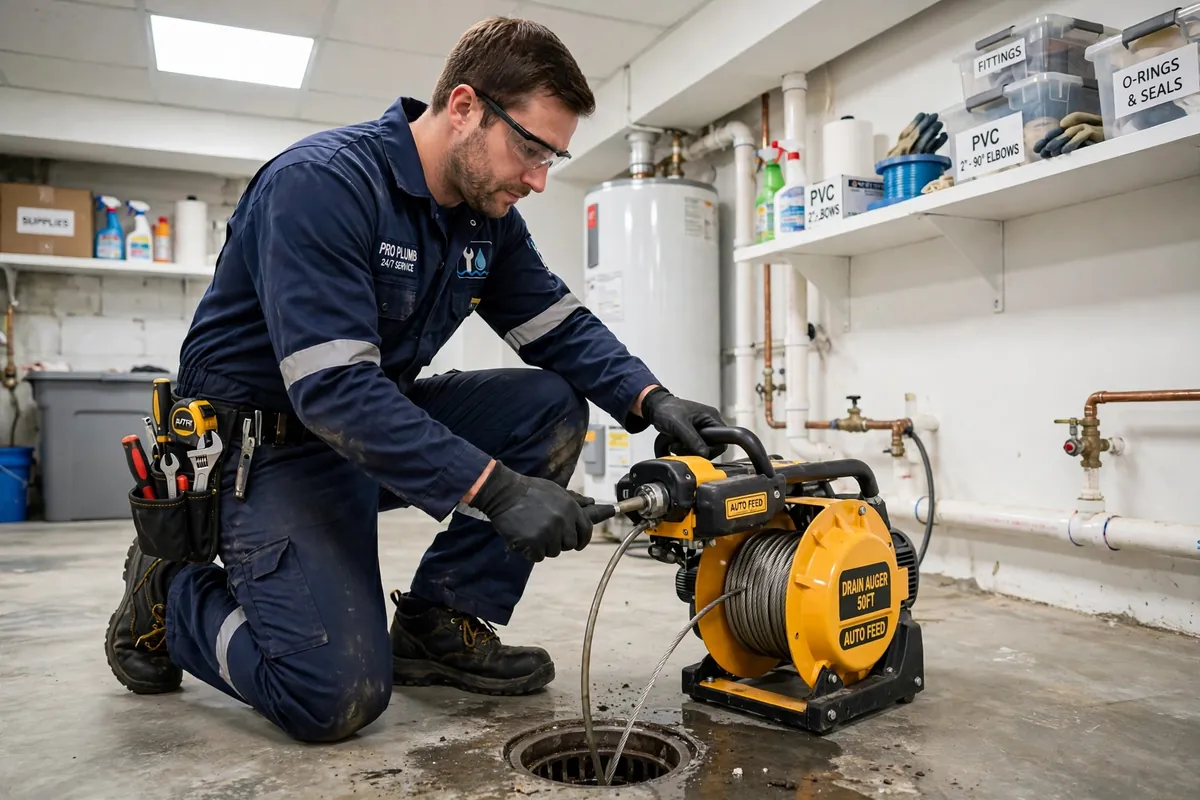
Root masses are cut out with a full size cable machine and coated walls scoured with jetting, followed by a flow test at every fixture.
A Repair Plan If the Pipe Is Failing
If the camera found damage, we show you the footage and lay out the honest options, lining to full replacement, before the problem chooses the timing.
House wide clogs route to Main Sewer Line Clog Removal after a Sewer Camera Video Inspection, and damaged lines are compared with Trenchless Sewer Pipe Lining before anyone talks about digging.
Why are all my drains clogged at the same time?
They are not clogged individually. They all drain into one main line, and that line is restricted, so every fixture queues behind the same narrow point. It feels simultaneous because the main degrades quietly for months, then crosses a threshold in a single week.
Can tree roots really clog a whole house?
Yes, and in older Newark neighborhoods they are the leading cause. A root mass at one joint catches everything the house sends down. Until it is cut out, the whole house drains through the gaps left in the roots.
Why does the lowest drain in the house clog first?
Water under pressure seeks the lowest opening. When the main cannot take flow fast enough, the backup rises from the bottom up: basement fixtures report it first, upstairs drains seem fine.
Will snaking one sink fix the other drains?
No. Each fixture would drain into the same restricted main and stall again. Snaking the sink treats a room, and the problem is under the yard. One cleanout clearing with main line equipment addresses every fixture at once.
How do you know if the line is broken or just blocked?
The camera knows. A blockage shows roots, grease, or debris in an intact pipe, while damage shows cracks, offsets, standing water in a belly, or soil entering the line. We record the run and review it with you, so the repair talk is based on pictures.
Connected fixes
Services That Pair With a Main Line Clearing
Clear the main, prove it on camera, and fix the section that caused it: the services that close a house wide clog for good.
Main Sewer Line Clog Removal
Full size cable equipment at the cleanout clears root masses and compacted debris that fixture tools cannot touch.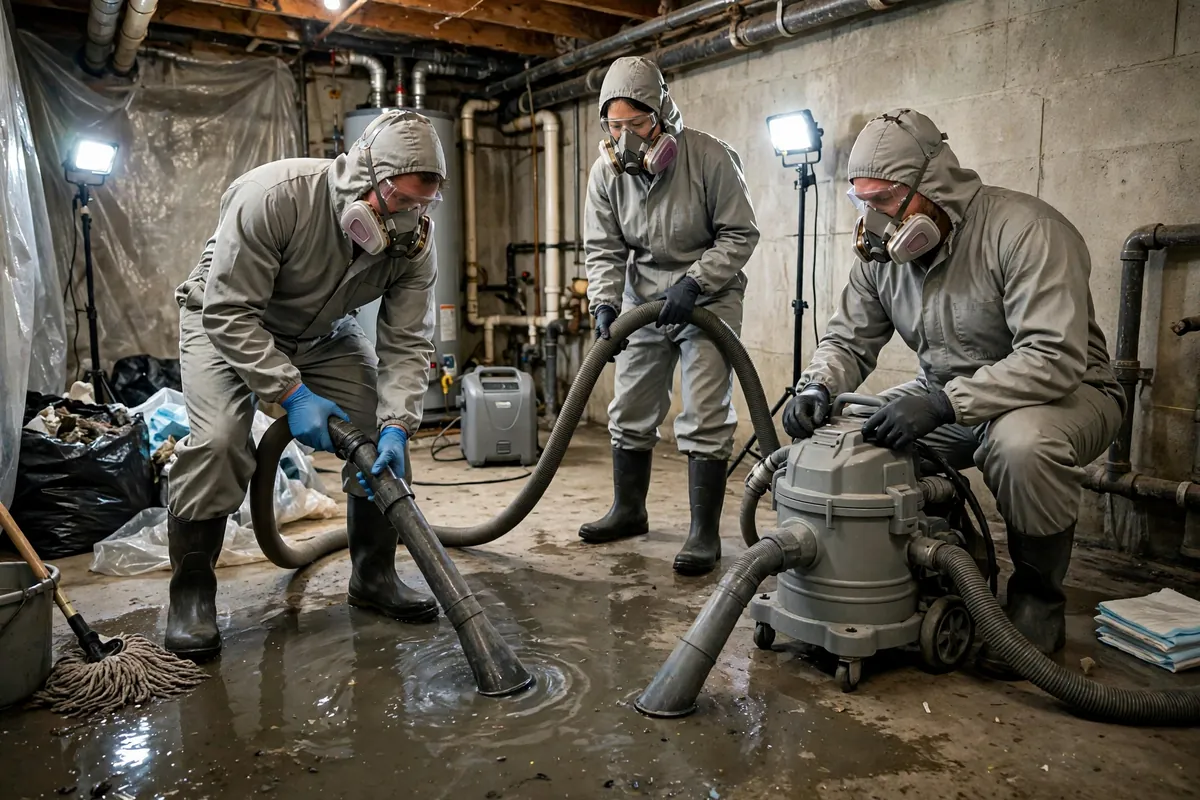
Sewage Backup Cleanup
If house wide clogs crossed into an overflow before we arrived, our crew restores the affected rooms after the clearing.
Water Backing Up
The next stage of the same problem: what to do, and what not to do, when water starts rising instead of draining.More drain problems
Where we work
Main Line Help Across the Newark Area
Express Drain Rescue clears main lines across Newark, Delaware, where the pattern is written in the housing stock: clay laterals near the old town core, cast iron in the post war tracts, long runs under mature trees.
A problem does not improve with waiting
Every Drain Slow at Once? Skip the Bottles.
Tell the dispatcher which fixtures are affected and which one misbehaves first. That order tells us where the main is closing before the camera even rolls.
Talk with the local team
Request Help With Clogged Drains
List the fixtures involved and when each one started. A house wide pattern deserves a main line crew, and that is who we will send.