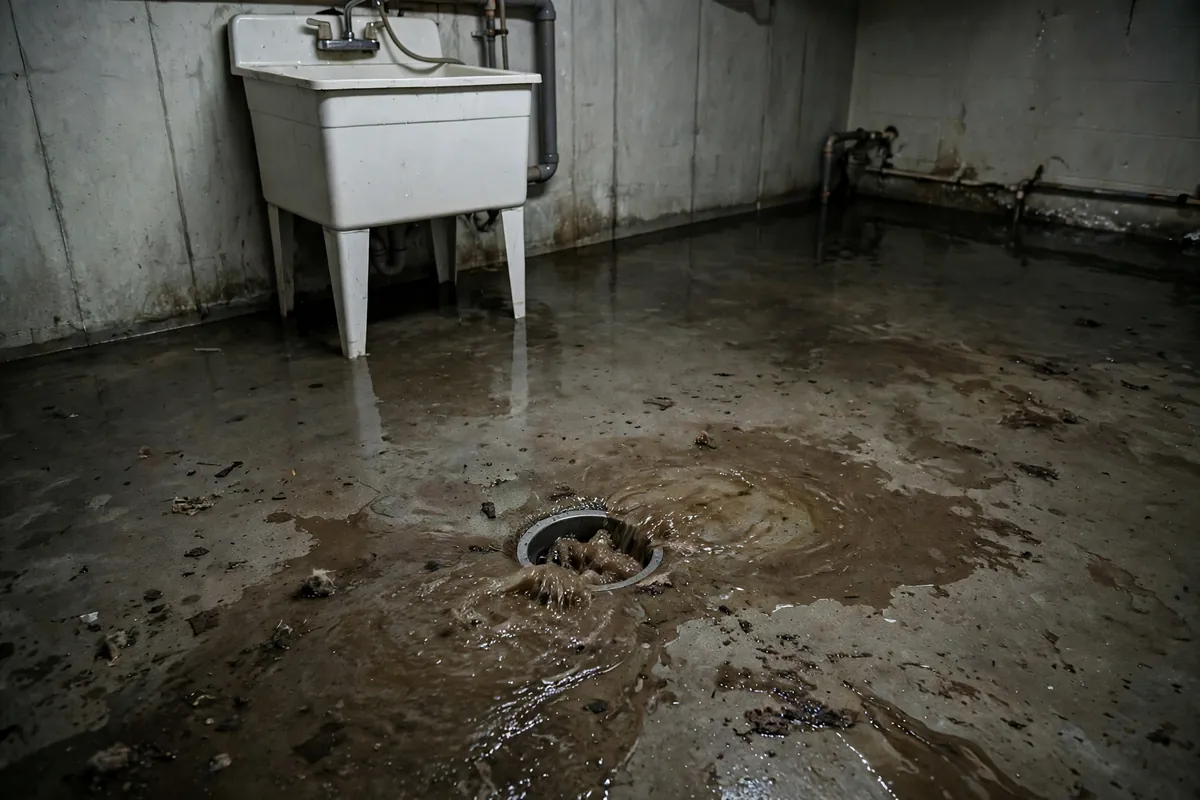
Backups in tubs, showers, sinks, and floor drains
Water Backing Up in Newark: Stop the Water, Then Call
Water that comes up instead of going down has one meaning: the main line out of the house is blocked or overwhelmed, and every gallon you add has nowhere to go but the lowest opening it can find. In Newark that opening is usually a basement floor drain, a laundry tub, or a ground floor shower, and the water it delivers is not clean. The first move is always: stop adding water.
Live dispatcherUpfront optionsBacked workmanship
Quick answer
The Short Answer on Backups
A backup is a main line problem until proven otherwise. Roots, grease, wipes, or a broken section of lateral have closed the one pipe every drain shares, so water retreats to the lowest fixture. Stop running water everywhere, keep people and pets out of the affected water, and call. Clearing the main from the cleanout, then confirming with a camera, ends a backup instead of pausing it.
Why it happens
What Causes Water to Back Up
The fixture that overflows is the victim, not the cause. These four causes do the actual blocking.
A Main Line Blocked by Roots
Roots enter older clay and cast iron laterals at the joints and weave into a net that catches everything the house sends down. Flow slows for weeks, unnoticed, until one heavy laundry day closes the net completely.
Grease and Wipes Built Into a Dam
Cooking grease hardens on pipe walls and flushable wipes, which do not break down like paper, braid into it. The dam grows until a normal morning of showers and flushes is more than the gap allows.
A Bellied or Broken Sewer Line
Soil shifts after wet seasons, and older pipe settles into a sag holding water and solids, or cracks outright.
Storm Surges and a Missing Backwater Valve
During heavy Delaware rain, a surcharged street main can push water back toward houses. Without a working backwater valve, the lowest drain becomes the entry point.
Before you call
Checks You Can Do Safely During a Backup
During an active backup your job is damage control, not repair. These steps protect the house while we are on the way.
- Stop all water use in the house: no flushing, no laundry, no dishwasher, no showers, until the line is cleared.
- Keep children and pets away from the water, and keep the water away from electrical outlets, appliances, and stored chemicals.
- Move boxes, rugs, and anything absorbent off the affected floor, working from the dry side toward the wet edge.
- Check the lowest fixtures, floor drain, laundry tub, ground floor shower, to learn where water is entering.
- If your home has an outside cleanout, note whether water is standing at its cap, but do not open it if sewage is at the rim.
- If the whole street seems affected, call the city or county as well, because a surcharged public main changes the fix.
Do not plunge a main line backup or pour in chemical openers. A plunger cannot move a blockage forty feet away, only force sewage out of a second fixture. Chemicals pool in the backed up line and add a burn hazard.
Do not wait on these
This One Is Already an Emergency
An active backup is the emergency, not a warning of one. Sewage water damages floors and belongings by the hour and carries bacteria. Call as soon as you see water rising in a floor drain, tub, or shower, day or night. Our cleanup crew can follow, so the space is made safe, not just dry.
How we handle it
How We Diagnose and Fix a Backup
The goal is not just to drain the water. It is to learn why the line closed, clear it fully, and leave you with a plan that keeps it open.
Relieve the Line at the Cleanout
We open the main at the cleanout, the safest point, and relieve the pressure holding water inside your house first.
Camera the Main
With flow restored, the camera travels the lateral and shows the cause directly: roots, grease, a belly, or a break.
Snake or Jet the Blockage
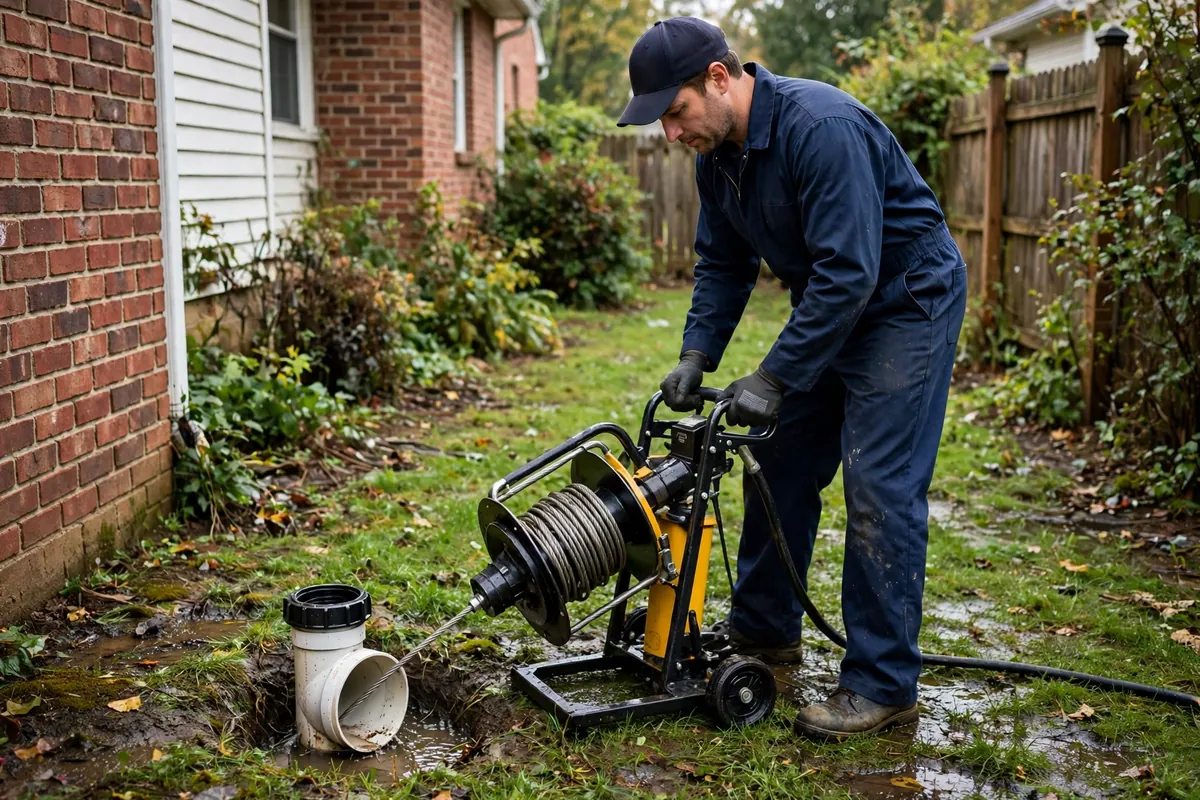
Root masses get cut out with a cable machine, grease dams get scoured with jetting, and we retest with full flow before calling it done.
Cleanup and Prevention Plan
Our cleanup crew sanitizes the area, and we lay out prevention in writing, from jetting schedules to a backwater valve.
Backups route to Main Sewer Line Clog Removal for the clearing and Sewage Backup Cleanup for the space, with Backwater Valve Installation as the storm season upgrade.
Why does water come up in the tub when I flush?
Flushing sends water into a main line that cannot accept it, so the water takes the path of least resistance: backward, out of the lowest open fixture, usually a tub, shower, or floor drain. The tub is reporting the blockage, not causing it.
Should I keep using water upstairs during a backup?
No. Every gallon used drains toward the same blocked main, and most of it will arrive in the lowest room. Until the line is cleared, treat the house drains as closed.
Why do backups happen right after heavy rain?
Rain finds its way into older laterals through the same cracks roots use, and raises flow in the street main at the same time. A line that copes on dry days gets overwhelmed during a storm. A backwater valve closes your side.
Can a plunger fix a main line backup?
A plunger works on a clog within a few feet of the fixture. A main line blockage sits dozens of feet away, past several junctions, and plunging mostly moves sewage between fixtures. The cleanout and a cable machine are the right tools, and they are the ones we bring.
What is a backwater valve and do I need one?
It is a one way gate in your sewer line that lets water out and blocks water, or a storm surge, from coming back in. If your backups follow heavy rain, or your lowest drain sits below street level, it is one of the highest value protections a Newark home can add.
Connected fixes
Services That Pair With Backup Relief
Clearing, cleanup, and prevention: the three services that turn a backup from a crisis into a closed case.
Main Sewer Line Clog Removal
The clearing itself: full size cable equipment at the cleanout, sized for root masses and grease dams, not fixture clogs.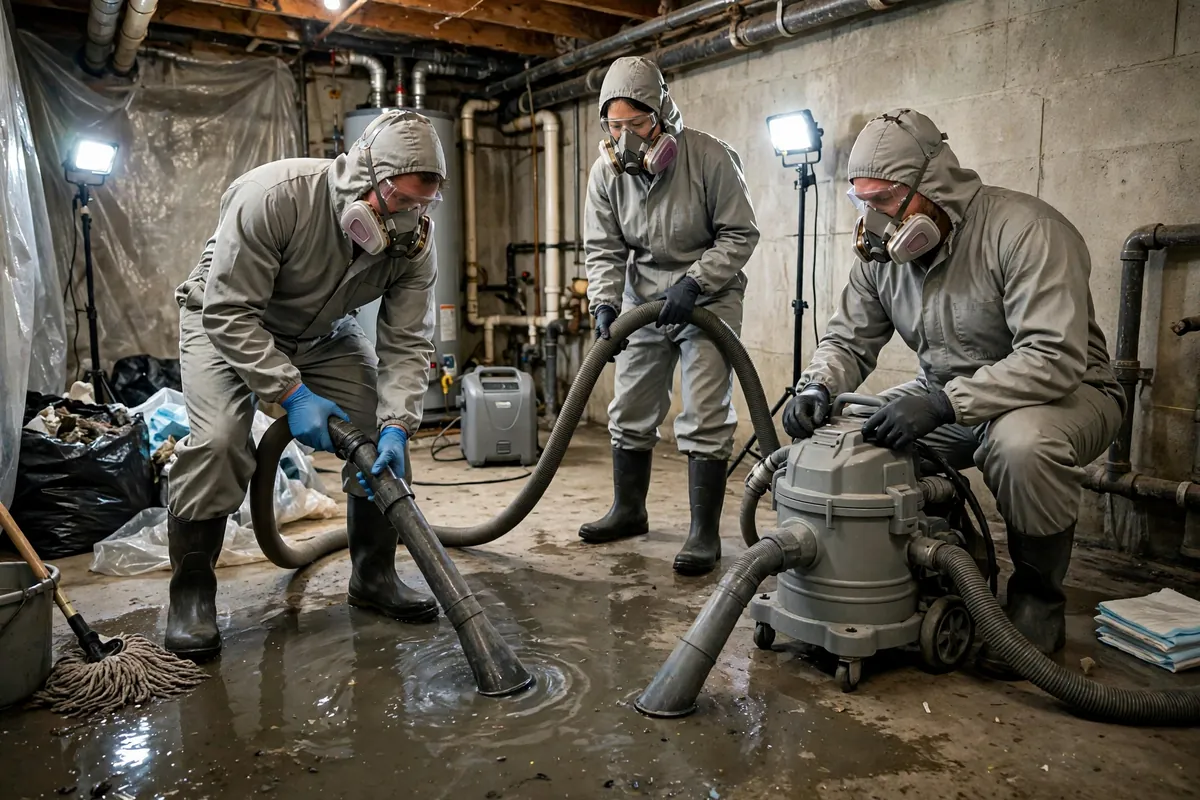
Sewage Backup Cleanup
Contaminated water needs more than a mop. Our crew removes, sanitizes, and dries the affected space properly.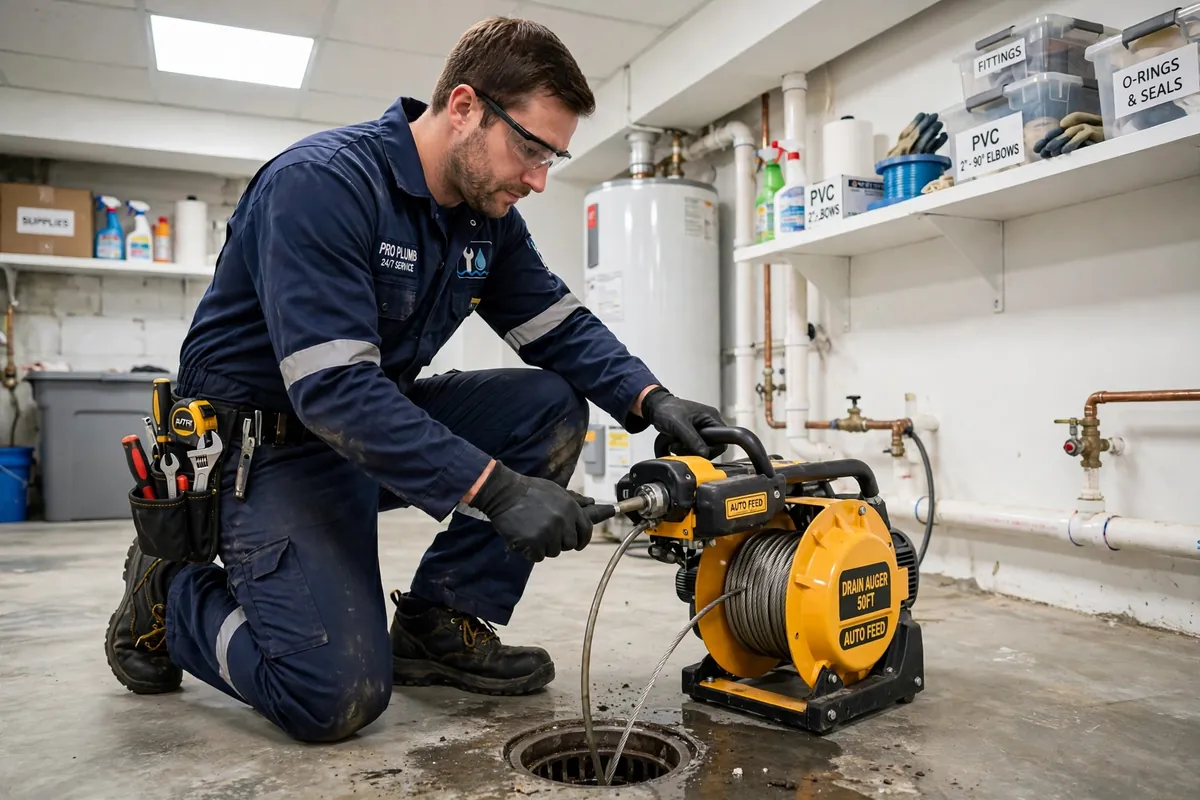
Multiple Clogged Drains
If the backup was preceded by every drain in the house slowing down, this guide explains the pattern you were seeing.More drain problems
Where we work
Backup Help Across the Newark Area
Express Drain Rescue answers backup calls across Newark, Delaware, where older laterals and mature trees make main line blockages a when, not an if.
A problem does not improve with waiting
Water Coming Up Where It Should Go Down?
Stop the water, keep the family clear of it, and call. Tell the dispatcher which fixture is overflowing and whether it followed rain, and we will bring the cleanout equipment first.
Talk with the local team
Request Help With a Backup Now
Backups do not keep office hours and neither do we. Call any time, describe the lowest fixture and what the water is doing, and we will take it from there.