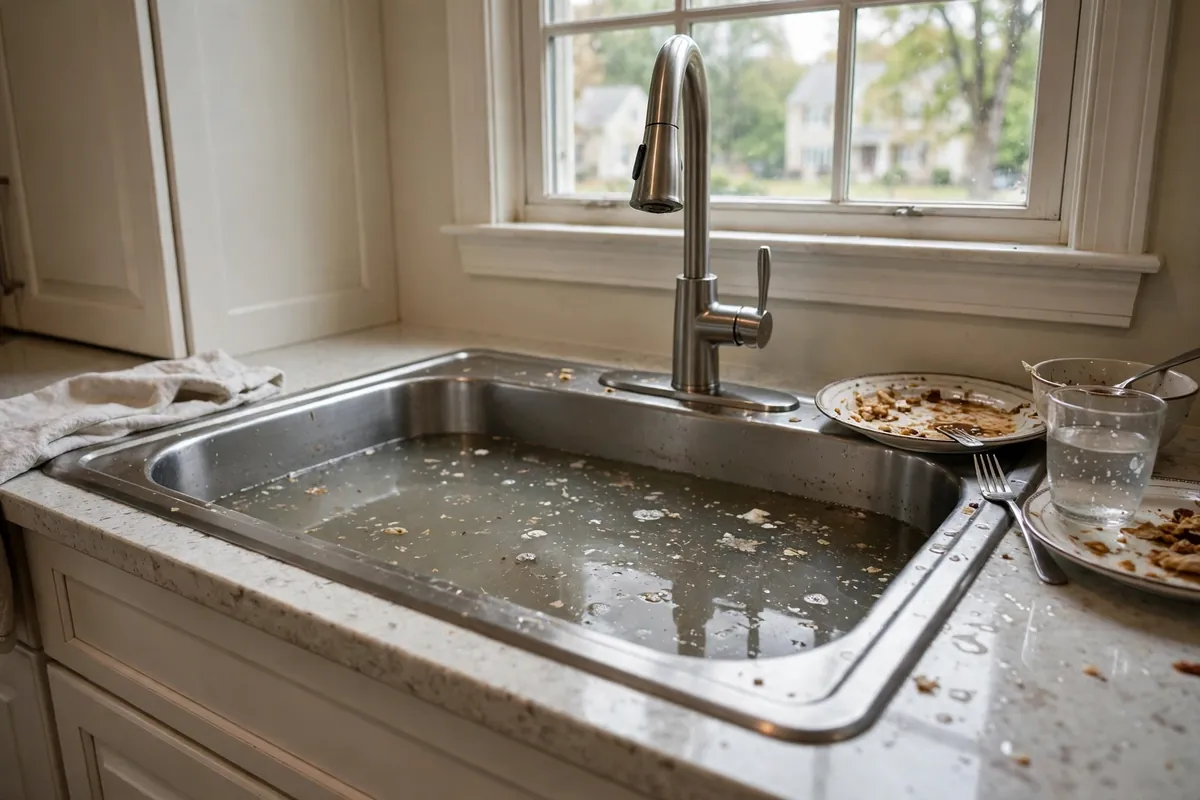
Kitchen and bathroom sinks that empty by the minute
Slow Draining Sink in Newark: What Is Choking the Line
A sink that takes minutes to empty is telling you the line is narrowing. Sometimes the choke point is the stopper or trap under the basin. Sometimes it is a grease coated branch line inside the wall, common in Newark kitchens where years of cooking oil have cooled and clung to the pipe. Either way, a slow sink rarely fixes itself.
Live dispatcherUpfront optionsBacked workmanship
Quick answer
The Short Answer on a Slow Sink
Most slow sinks are a local problem: hair and soap in a bathroom trap, grease and food film in a kitchen trap, or buildup in the first few feet of branch line behind the wall. If only one fixture is slow, the blockage is close to that fixture. If both sides of a double sink are slow, or the sink slows when another fixture drains, the restriction sits deeper, where branches join. We start at the trap, prove how far the problem goes, and clear the section that is actually choking.
Why it happens
What Causes a Sink to Drain Slowly
Slow drainage is a symptom, not a diagnosis. These are the four causes we confirm most often under Newark sinks.
Grease and Cooking Oil Film
Oil poured down a kitchen drain cools on the pipe wall and hardens into a sticky ring. Every wash adds another layer until water barely threads through.
Hair, Soap, and Toothpaste Mats
Bathroom sinks collect a different clog: hair woven through soap scum and toothpaste grit. The mat anchors at the stopper rod and grows into the trap, slowing the basin weekly.
A Trap Packed With Sludge
The curved trap under the sink is designed to hold water, and it also catches everything heavy: coffee grounds, rice, bits of food, and sediment. A trap half full of sludge leaves only a narrow path for water.
Scale Inside Older Branch Lines
Many older Newark homes still drain through galvanized or cast iron branch lines. Decades of mineral scale and corrosion roughen the inside wall, so grease and hair grab hold instead of washing through.
Before you call
Checks You Can Do Safely at the Sink
These checks are free, take minutes, and tell us a lot when you describe them on the phone.
- Lift out the stopper or strainer and clear whatever is wrapped around it, then run the tap and time the drain.
- Fill the basin halfway and plunge with a flat cup sink plunger, keeping the cup sealed and covered with water.
- If both basins of a double sink are slow, the problem is past the trap, where the two sides join.
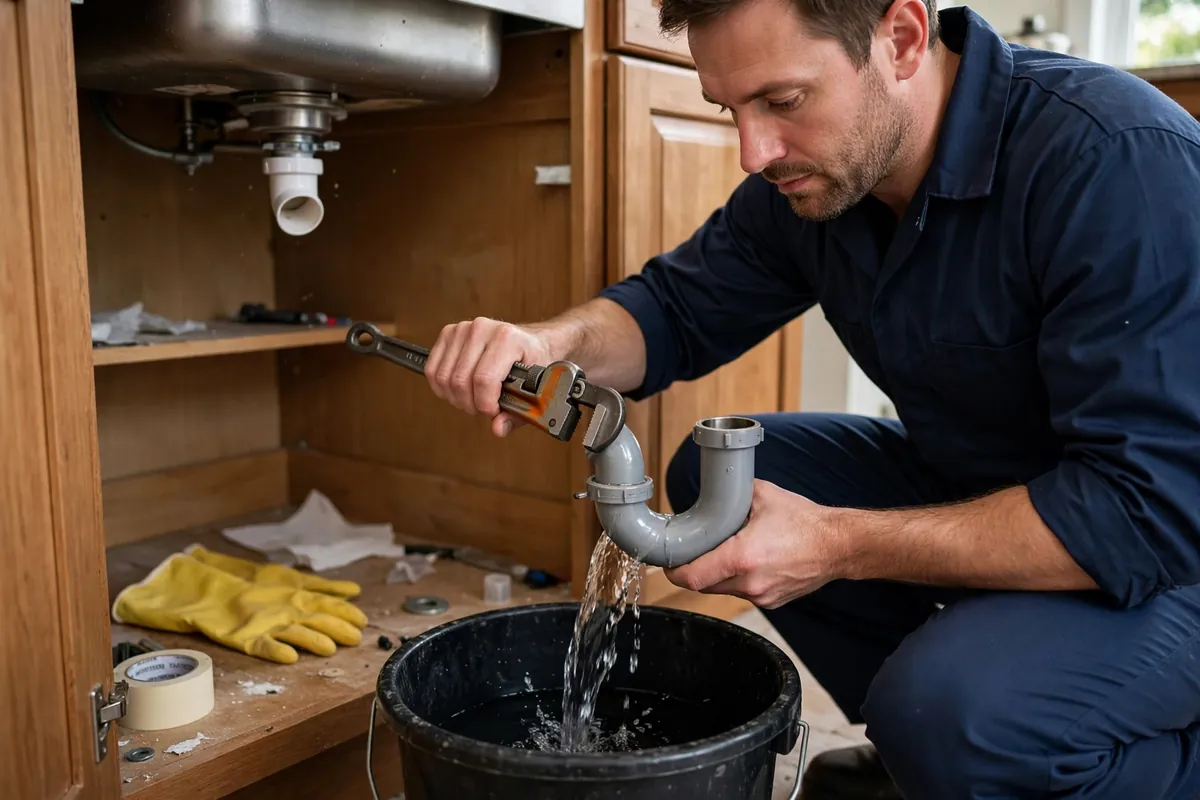
- Put a bucket under the trap and loosen the slip nuts by hand to check for sludge, only if you are comfortable doing it.
- Run the dishwasher or a nearby fixture and watch whether the sink level rises, which points to a shared branch line.
- Note which sinks are slow and which are fine, because that pattern maps the clog for the technician.
One firm boundary: never pour a chemical drain opener into standing water. It sits in the trap, can damage finishes and seals, and turns a routine clearing into a hazard for whoever opens the pipe next. Boiling water is fine while the sink still drains; skip it once water stands still.
Do not wait on these
When a Slow Sink Stops Being a Small Job
Call the same day if both basins back up together, if water rises in the sink when the dishwasher drains, if a sewage smell joins the slow drain, or if a downstairs tub is also sluggish: the blockage sits in the shared line, past your sink.
How we handle it
How We Diagnose and Fix a Slow Sink
We work from the fixture outward, so when the trap was the whole problem, the fix stays at the trap and no main line service is needed.
Trap and Stopper First
We remove and clean the trap and stopper assembly and test the drain before going further.
Cable the Branch Line
If the trap is clean, a small cable runs the branch line to the wall stack, breaking up grease rings and hair mats where they sit.
Camera When It Repeats
A sink that slows again within weeks gets a camera look, because repeat buildup means scale, a sag, or a shared line problem.
Jetting for Grease Coated Lines
When the camera shows a long grease coated run, high pressure water strips the film off the wall instead of poking a hole through it.
A slow sink usually resolves with our Hydro-Jetting Service or a targeted cable clearing, and repeat cases start with a Sewer Camera Video Inspection so the fix matches the cause.
Why is only one side of my double sink slow?
Each basin has its own short run to the shared trap arm. A clog on one side usually sits in that basin's stopper or tailpiece: the closest, simplest blockage to clear.
Does a slow sink mean my sewer line is clogging?
Not by itself. One slow sink almost always means a local restriction. Worry about the sewer line when several fixtures slow together, when drains gurgle, or when the lowest fixture in the house starts to back up.
Why does my sink get slower after the dishwasher runs?
The dishwasher shares the sink's branch line and pumps out hot, greasy water under pressure. If the branch is narrowed, that surge overwhelms it, and loosened grease resettles as it cools, which is why the sink feels worse right after a cycle.
Can I use a drain opener liquid on a slow sink?
If the sink still drains, a basic opener sometimes helps a mild film, but it does nothing for a hair mat or packed trap. Never use one in standing water, and tell us if you have used one so we can protect our technician and your pipes.
How long does a professional sink clearing take?
Most single sink clearings finish in one visit, trap cleaning and testing included. If the camera shows a deeper problem, we will show you the footage and lay out the next step first.
Connected fixes
Services That Pair With a Slow Sink Fix
The services Newark homeowners combine with a slow sink visit, depending on what the trap and camera show.
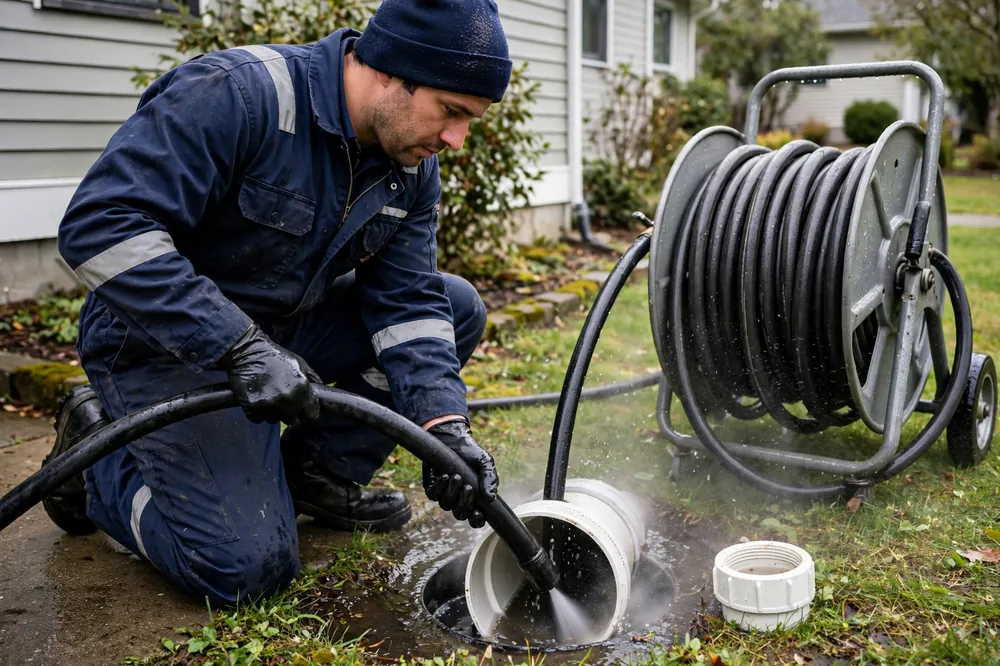
Hydro-Jetting Service
High pressure water strips grease film off the full pipe wall, the fix that lasts when a cable only pokes a temporary hole.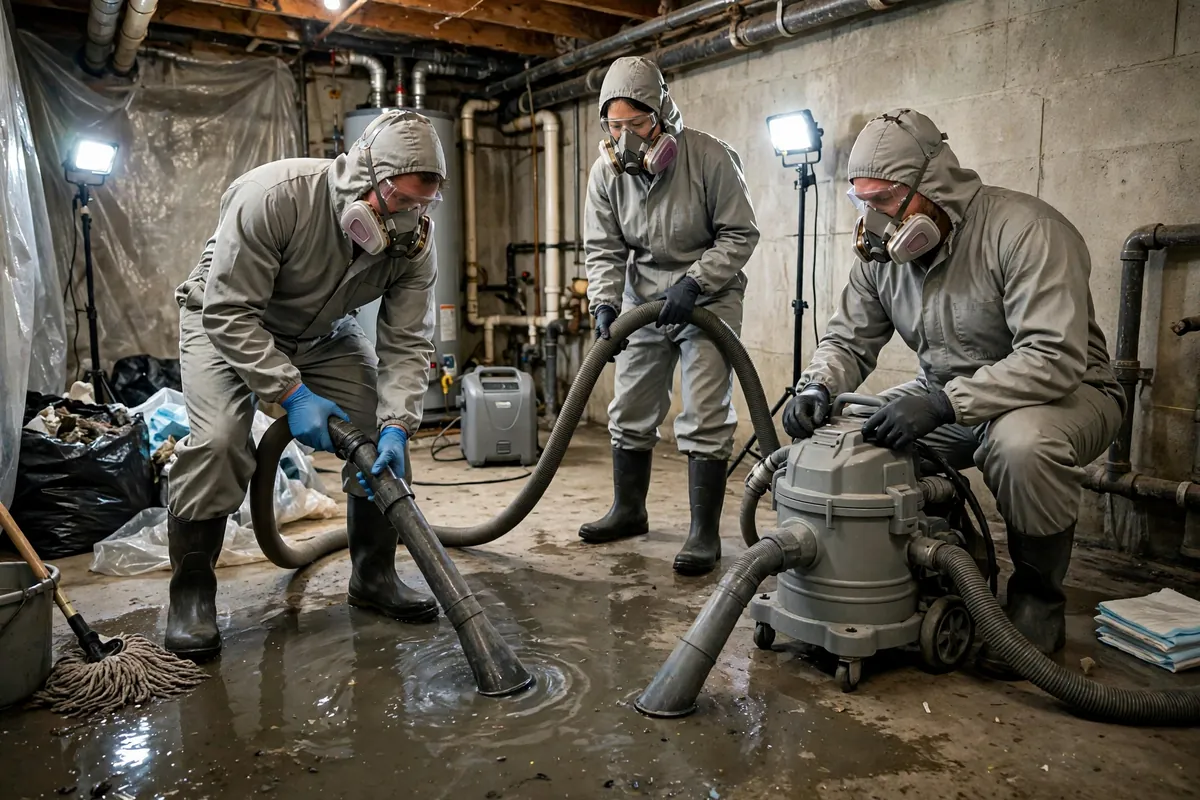
Sewage Backup Cleanup
If a slow sink turns into water on the floor, our cleanup crew handles the mess safely and gets the space usable again.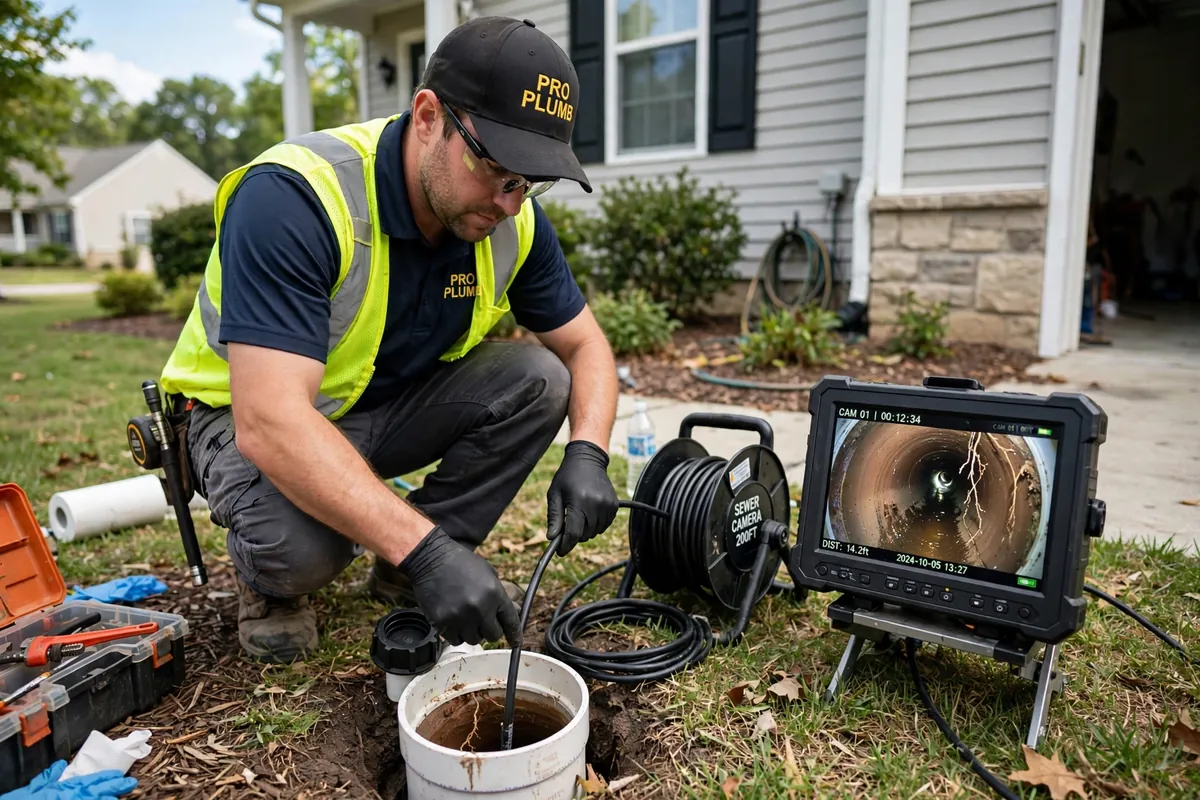
Gurgling Drains
A slow sink that also bubbles and talks is pointing at air trapped by a downstream blockage or a vent problem.More drain problems
Where we work
Slow Sink Help Across the Newark Area
Express Drain Rescue clears slow sinks throughout Newark, Delaware, from student rentals near the university to older colonials with galvanized branch lines.
A problem does not improve with waiting
Ready for a Sink That Empties on Time?
Tell us which sink is slow and what it does when other fixtures run. That pattern is half the diagnosis, and we will bring the rest.
Talk with the local team
Request Help With a Slow Sink
One slow sink or a house full of them, describe what you see and we will route the right technician with the right cable the first time.